
Introduction to GHB
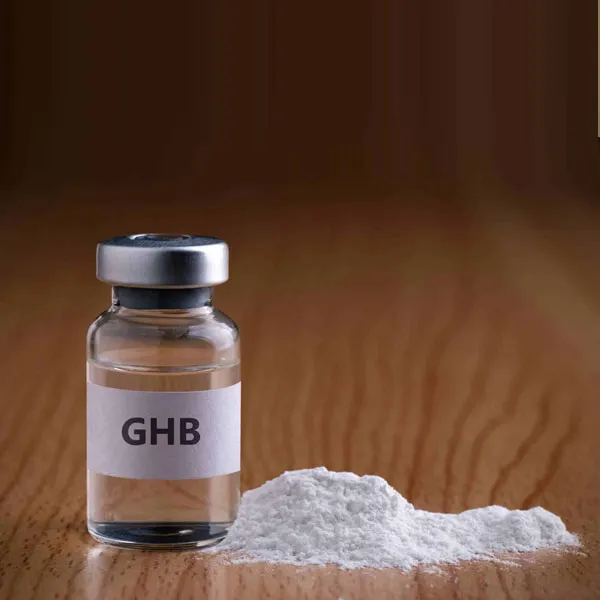
Gamma-Hydroxybutyrate (GHB) is a naturally occurring neurotransmitter and a synthetic central nervous system depressant. First synthesized in the late 19th century and introduced into clinical medicine in the 1960s as an anesthetic, GHB has a complex history. Over the decades, its role has shifted significantly from a widely researched anesthetic to a highly regulated substance due to its potent physiological effects and potential for misuse. For information on its industrial chemical precursor, consult our <a href="https://gblexpresshop.com/en/gbl/">GBL educational guide</a> and our detailed <a href="https://gblexpresshop.com/en/gbl-vs-ghb/">comparison between GBL and GHB</a>.
Today, GHB is recognized both for its legitimate, albeit narrowly defined, medical applications and for the severe risks it poses when used recreationally. In this comprehensive educational guide, we will explore the pharmacology of GHB, its medical uses, the profound dangers of its abuse, and the strict regulatory frameworks that govern its existence worldwide. This article is intended strictly for educational purposes to foster a better understanding of this powerful compound.
Pharmacological Mechanism: How GHB Works
To understand the effects of GHB, one must look at how it interacts with the human brain. GHB occurs naturally in the mammalian central nervous system in very small quantities. It is considered a neurotransmitter or neuromodulator that binds to specific GHB receptors in the brain. Furthermore, at pharmacological doses, GHB acts as an agonist at the gamma-aminobutyric acid type B (GABA-B) receptor.

The activation of these receptors leads to the compound's characteristic central nervous system depressant effects. In lower doses, this can result in effects such as relaxation, reduced social inhibition, and mild euphoria. However, as the dosage increases, the depressant effects become far more pronounced, leading to sedation, deep sleep, and, dangerously, respiratory depression. The dose-response curve for GHB is notoriously steep, meaning the difference between a dose that causes sleep and a dose that causes a life-threatening coma is incredibly small.
Because GHB is metabolized rapidly by the liver into carbon dioxide and water, its effects are relatively short-lived, typically lasting between one and three hours depending on the dosage and the individual's metabolism. However, this rapid metabolism does not mitigate the acute dangers present during the window of intoxication.
Legitimate Medical Applications
Despite its reputation, GHB does have FDA-approved medical applications under very strict regulatory supervision. The most notable medical formulation of GHB is sodium oxybate.
Treatment of Narcolepsy and Cataplexy
Sodium oxybate is primarily prescribed for the treatment of narcolepsy, a chronic neurological disorder characterized by overwhelming daytime drowsiness and sudden attacks of sleep. More specifically, it is highly effective in treating cataplexy—the sudden loss of muscle tone often triggered by strong emotions, which is a common and debilitating symptom of narcolepsy.
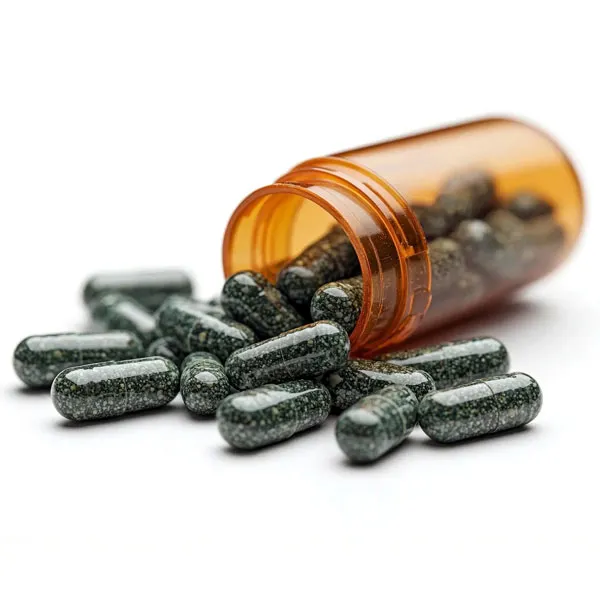
When taken at night in precisely controlled and divided doses, sodium oxybate helps consolidate fragmented sleep architecture, leading to more restorative nighttime sleep and subsequently reducing excessive daytime sleepiness and the frequency of cataplexy attacks. Due to the significant risks of respiratory depression, abuse, and dependence, sodium oxybate is only available through restricted distribution programs that require both the prescriber and the patient to be specially enrolled.
The Severe Risks of Misuse and Abuse
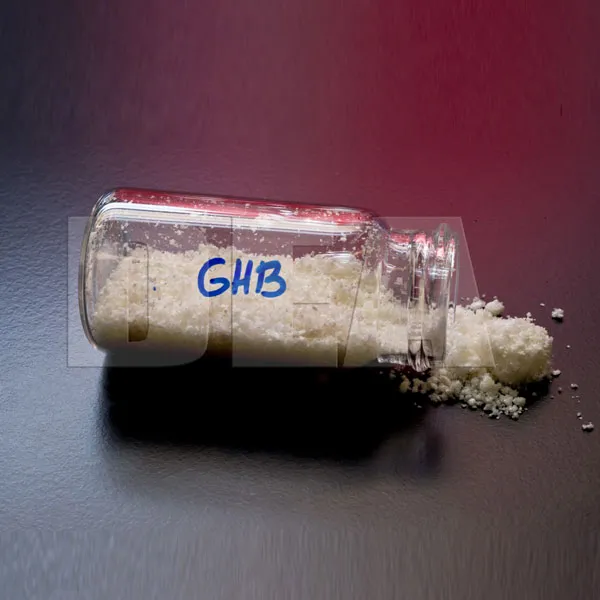
Outside of tightly controlled medical settings, the recreational use of GHB poses immense dangers to public health. The substance is often encountered as a clear, odorless, and nearly tasteless liquid (or sometimes as a powder), which makes it highly dangerous as an illicit drug.
Overdose and Toxicity
The most immediate and critical risk associated with GHB is the high potential for overdose. Because the drug is often manufactured illicitly, its concentration is rarely known, making accurate dosing impossible for users. The steep dose-response curve means that taking just a fraction more than intended can tip the balance from sedation into a deep, unarousable coma.

Symptoms of GHB overdose include profuse sweating, vomiting, severe respiratory depression, bradycardia (slowed heart rate), seizures, and coma. The risk of fatal overdose is exponentially increased when GHB is combined with other central nervous system depressants, particularly alcohol. The combination of GHB and alcohol synergistically suppresses the respiratory drive, which is the leading cause of death in GHB-related fatalities.
Dependence and Withdrawal
Chronic use of GHB can lead to severe physical and psychological dependence. Individuals who use GHB continuously may develop a tolerance, requiring increasingly larger doses to achieve the desired effects. Cessation of GHB after chronic use triggers a dangerous and potentially life-threatening withdrawal syndrome. Symptoms of GHB withdrawal can include severe anxiety, insomnia, tremors, delirium, hallucinations, and in extreme cases, autonomic instability and cardiovascular collapse, requiring immediate intensive medical intervention.
Legal and Regulatory Status
Given the extreme risks associated with its misuse, GHB is heavily regulated on a global scale. The international community, through organizations like the United Nations, has placed stringent controls on the compound.
In many countries, including the United States, illicit GHB is classified as a Schedule I controlled substance, meaning it has a high potential for abuse and no currently accepted medical use in treatment. The medical formulation, sodium oxybate, is typically classified in a different schedule (such as Schedule III in the US) to allow for legitimate prescription use, but it is subject to rigorous tracking and restricted distribution protocols.
Conclusion
Gamma-Hydroxybutyrate (GHB) is a compound of stark contrasts. On one hand, it is an important naturally occurring neuromodulator and a critical medication for individuals suffering from severe neurological conditions like narcolepsy with cataplexy. On the other hand, its steep dose-response curve, high potential for overdose, and severe withdrawal syndrome make it an incredibly dangerous substance outside of medical supervision.
Understanding the pharmacology, medical utility, and profound risks associated with GHB underscores the necessity of the strict legal frameworks surrounding it. By educating ourselves on the realities of GHB, we can better appreciate the delicate balance between pharmaceutical benefit and public health safety.