Introduction to GBL
Gamma-Butyrolactone (GBL) is a fascinating chemical compound that plays a critical role in modern industrial applications. It is a colorless, oily liquid with a weak characteristic odor and a high boiling point. Over the years, GBL has gained significant importance in various sectors, ranging from electronics manufacturing to advanced cleaning solutions. In this comprehensive guide, we will delve deep into what GBL is, explore its numerous industrial uses, and discuss the essential safety and regulatory protocols associated with its handling. For a comparative breakdown with related compounds, read our comprehensive <a href="https://gblexpresshop.com/en/gbl-vs-ghb/">GBL vs GHB educational analysis</a>, or visit our <a href="https://gblexpresshop.com/en/shop/?cat=gbl">GBL cleaner product catalog</a>.
The chemical structure of GBL is relatively simple but highly effective. It is a cyclic ester, specifically a lactone, derived from gamma-hydroxybutyric acid (GHB). Because GBL is fully miscible with water and a wide variety of organic solvents, it possesses incredible versatility. This characteristic alone makes GBL an indispensable tool for chemists, engineers, and industrial cleaners across the globe. Understanding its properties is the first step in appreciating its widespread utility in the modern chemical industry.
Chemical Properties and Synthesis
To truly understand GBL, one must look at its chemical properties. GBL has the chemical formula C4H6O2. It is highly hygroscopic, meaning it readily absorbs moisture from the surrounding environment. This property makes it useful as a desiccant in some specialized applications. GBL is also characterized by its stability under neutral conditions, although it reacts rapidly with strong bases to form corresponding salts of gamma-hydroxybutyric acid.
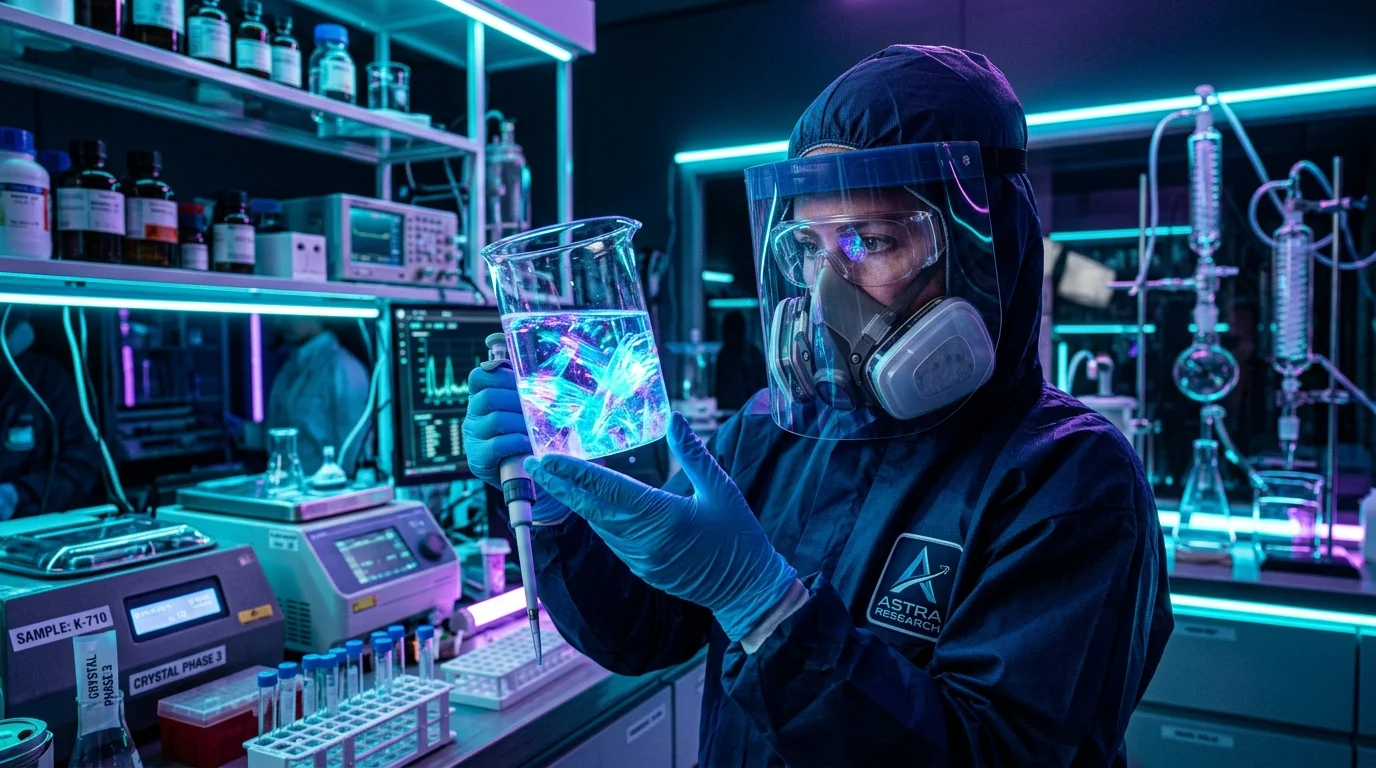
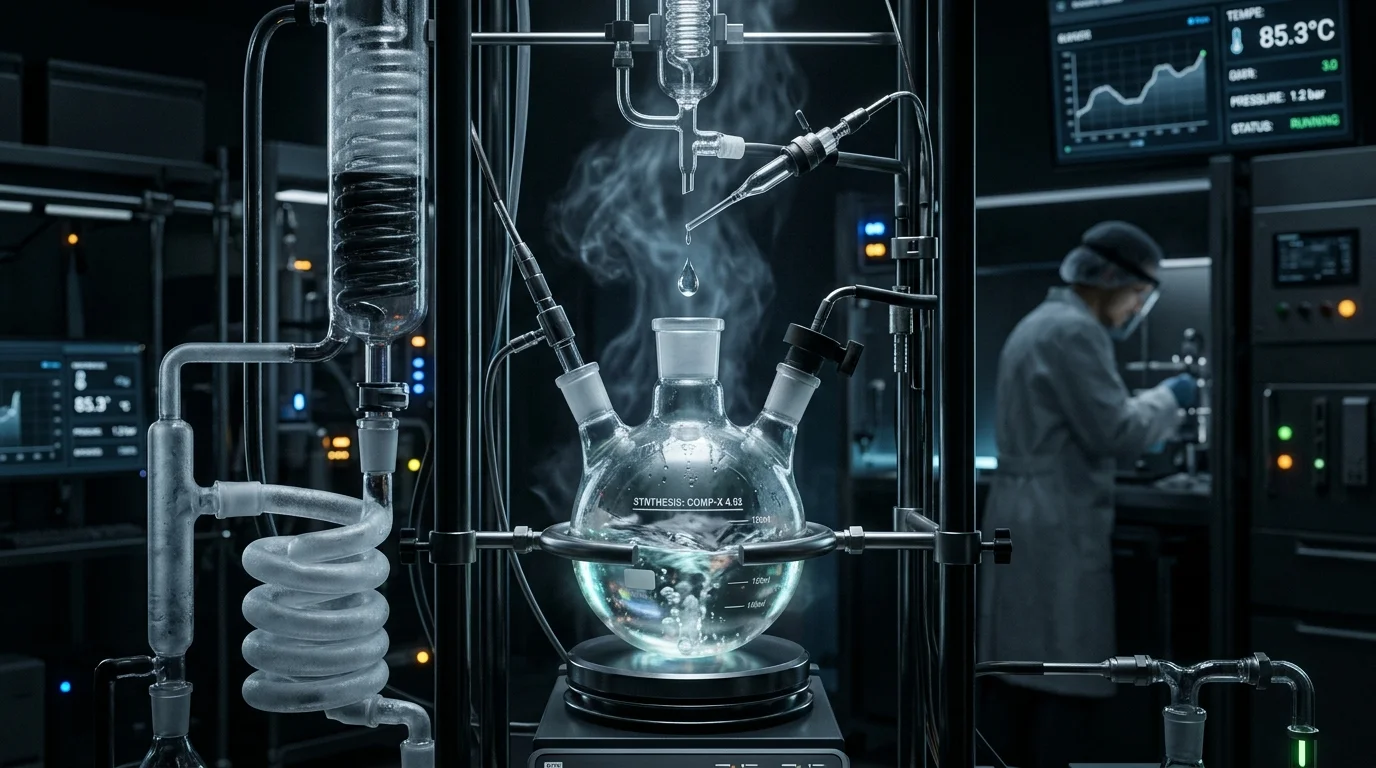
The industrial synthesis of GBL typically involves the dehydrogenation of 1,4-butanediol over a copper or zinc catalyst at elevated temperatures. Another common production method is the oxidation of tetrahydrofuran (THF). These processes yield high-purity GBL that can be utilized in sensitive applications, such as semiconductor manufacturing and pharmaceutical synthesis. The efficiency of these chemical reactions allows for large-scale production, ensuring a steady supply of this crucial solvent to industries worldwide.
Moreover, the purity of the synthesized GBL is of utmost importance. Impurities can drastically alter its solvent capabilities and lead to unwanted side reactions when used as a chemical intermediate. Therefore, top-tier chemical laboratories employ rigorous quality control measures, including gas chromatography and mass spectrometry, to ensure that the GBL produced meets the highest industrial standards.
Primary Industrial Applications
The versatility of GBL stems primarily from its exceptional solvent power. It is capable of dissolving a broad spectrum of polymers, resins, and other complex chemical structures. Let's explore some of the primary industrial applications where GBL truly shines.
1. Advanced Cleaning Agent
One of the most well-known uses of GBL is as a heavy-duty industrial cleaner. Its ability to break down stubborn substances makes it highly effective for removing paint, oil, ink, grease, and enamel. GBL is frequently the active ingredient in graffiti removers, automotive engine cleaners, and industrial stripping agents. Unlike some highly toxic halogenated solvents, GBL offers a safer alternative for heavy industrial cleaning tasks, provided it is handled correctly.
2. Electronics and Semiconductor Manufacturing
In the highly precise world of electronics manufacturing, GBL is a vital component. It is widely used as a solvent for photoresists in the semiconductor industry. Photoresists are light-sensitive materials used to form patterned coatings on surfaces, a critical step in the fabrication of microchips and printed circuit boards. The high purity and specific evaporation rate of GBL make it ideal for stripping these polymers without damaging the delicate electronic components beneath.
3. Chemical Synthesis and Intermediate
Beyond its use as a solvent, GBL serves as a crucial building block in chemical synthesis. It is a primary precursor in the production of pyrrolidones, including N-methyl-2-pyrrolidone (NMP) and 2-pyrrolidone. These chemicals are, in turn, heavily utilized in the pharmaceutical industry, agricultural chemicals, and petroleum processing. Without GBL as a foundational intermediate, the production of many modern medicines and agricultural solutions would be significantly more challenging and costly. Always review our strict <a href="https://gblexpresshop.com/en/safety-guide/">chemical safety and handling guide</a> prior to handling. Also see the <a href="https://gblexpresshop.com/en/ghb/">GHB educational guide</a> for related pharmacological information.
4. Energy Storage and Batteries
With the global push towards renewable energy and advanced energy storage systems, GBL has found a new and exciting application. It is increasingly being used as a solvent in the electrolytes of advanced capacitors and lithium-ion batteries. Its high dielectric constant and wide electrochemical window help improve the efficiency, stability, and lifespan of these critical energy storage devices, paving the way for better electric vehicles and portable electronics.
Safety Protocols and Handling
While GBL is a highly useful industrial chemical, it is not without its hazards. Handling GBL requires strict adherence to safety protocols to prevent accidents and health issues. As with any potent chemical, understanding the risks is essential for safe operation.
Toxicity and Exposure: GBL can cause skin irritation and severe eye damage upon contact. Inhalation of its vapors in poorly ventilated areas can lead to respiratory irritation, dizziness, and drowsiness. Therefore, proper Personal Protective Equipment (PPE) is non-negotiable. Workers must wear chemical-resistant gloves, safety goggles, and, in some cases, respiratory protection when handling large quantities of GBL.
Storage Requirements: GBL should always be stored in a cool, dry, and well-ventilated area. Because it is hygroscopic, containers must be kept tightly sealed to prevent moisture absorption. It should be kept away from direct sunlight, sources of ignition, and incompatible materials such as strong oxidizers, acids, and bases. Proper storage not only ensures the safety of the facility but also maintains the purity and efficacy of the chemical.
Regulatory Landscape
The regulatory status of GBL is a topic of significant importance. In the human body, GBL acts as a prodrug for gamma-hydroxybutyric acid (GHB), a powerful central nervous system depressant. Due to the severe health risks associated with its human consumption—including respiratory depression, unconsciousness, coma, and even death—GBL is heavily regulated worldwide.
In many countries, GBL is classified as a controlled substance precursor. This means that its sale, distribution, and use are closely monitored by governmental agencies. Legitimate industrial and commercial enterprises must often obtain specific licenses, maintain detailed records of their GBL usage, and ensure end-user verification. These strict regulations are designed to prevent the diversion of GBL into illicit channels while still allowing crucial industries to access the chemical they need for legitimate manufacturing and cleaning purposes.
Conclusion
Gamma-Butyrolactone is undeniably a powerhouse chemical that drives innovation and efficiency across multiple industries. From keeping industrial machinery clean to enabling the production of next-generation microchips and advanced batteries, the applications of GBL are vast and vital. However, its potency and potential for misuse necessitate a deep respect for the chemical, rigorous safety protocols, and strict compliance with global regulations.
By understanding what GBL is, how it functions, and the correct ways to handle and regulate it, industries can continue to harness its incredible solvent properties safely and responsibly for years to come.